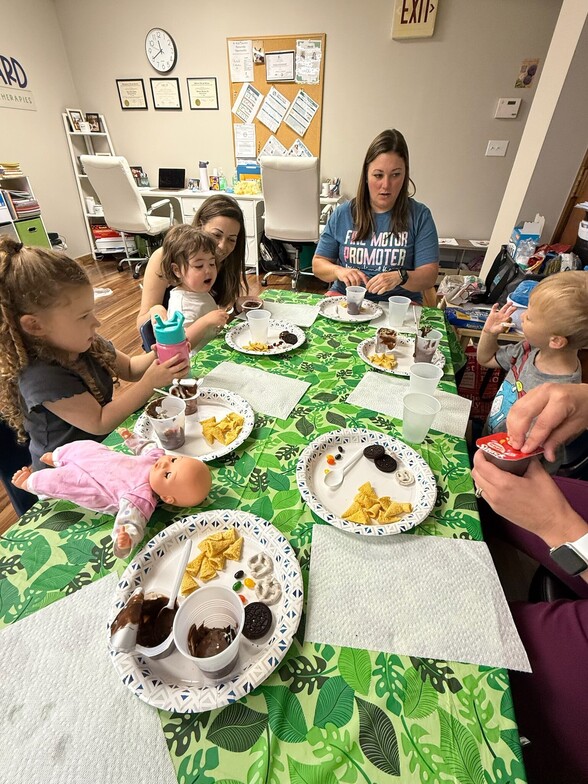
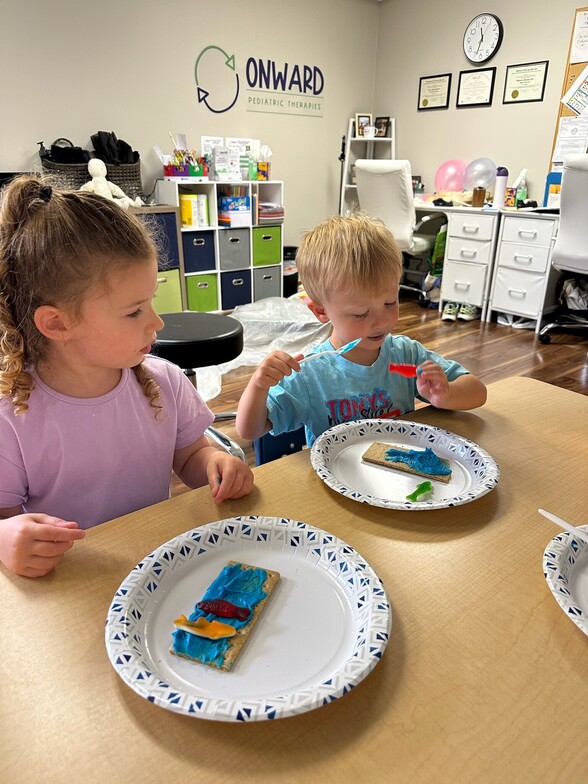



If you've ever thought, “But they ate it yesterday!” while staring at a perfectly good plate of food… you're not alone.
Maybe yesterday your child happily ate blueberries, and today they look at them like you've personally offended them. Maybe they'll eat Goldfish by the handful but won't touch a strawberry. Or maybe their list of "safe foods" seems to get smaller by the week.
So… what's going on?
Mealtimes can be one of the most stressful parts of parenting, especially when your child eats only a handful of foods or refuses anything new.
One of the questions I hear most often is:
"Are they just being picky?"
The answer isn't always simple.
For many children, there's much more happening beneath the surface than simply choosing not to eat.
What Makes Feeding So Hard?
Eating is actually one of the most complex processes your child's body performs. Every bite requires your brain to process:
- What it looks like
- What it smells like
- How it feels in your hands
- How it feels in your mouth
- Whether your brain decides it's safe
Then your muscles have to chew it, move it around your mouth, swallow it safely, and prepare for the next bite.
That's a lot of work!
For some children, their nervous system processes these sensations differently. Foods that seem ordinary to us may feel overwhelming, unpredictable, or even scary to them.
Why Kids Love "Safe Foods"
One of my favorite ways to explain this to parents is by comparing a blueberry to a Goldfish cracker.
Imagine eating a blueberry. Even though it looks like every other blueberry in the container, every bite is different. One might be:
- sweet
- tart
- mushy
- firm
- juicy
- slightly sour
- unexpectedly soft
Your brain doesn't know exactly what it's going to get.
Now think about a Goldfish cracker. Every single one is:
- the same shape
- the same crunch
- the same texture
- the same flavor
- the same smell
It's predictable.
The same is true for foods like:
- Doritos
- Cheerios
- pretzels
- crackers
- chicken nuggets from one specific restaurant
For children with sensory differences, predictability feels safe.
Fresh fruits, vegetables, casseroles, mixed foods, and homemade meals naturally change from bite to bite.
That unpredictability can feel overwhelming. Not because your child is trying to be difficult, but because their nervous system is working extra hard to process those differences.
Typical Picky Eating vs. Feeding Difficulties
Most children go through a picky eating phase. Typical picky eaters usually:
- continue eating foods from every food group
- eventually accept new foods
- maintain steady growth
- tolerate foods on their plate
Children with feeding challenges often:
- eat fewer than 20 foods
- eliminate foods they previously accepted
- become distressed when new foods are presented
- gag or vomit with certain textures
- refuse entire categories of food
- experience significant anxiety around meals
If meals consistently feel stressful for your family, it's worth exploring what's contributing to those challenges.
What Can Parents Do at Home?
The good news? You don't have to force bites to make progress. In fact, reducing pressure often helps children become more willing to explore. Here are some simple ways to support your child:
Eating Starts Before the First Bite
Success isn't just swallowing food. It might look like:
- sitting at the table
- helping wash strawberries
- stirring pancake batter
- smelling broccoli
- touching mashed potatoes
- licking a new food
- taking one tiny bite
Every one of these experiences teaches your child's brain that food is safe.
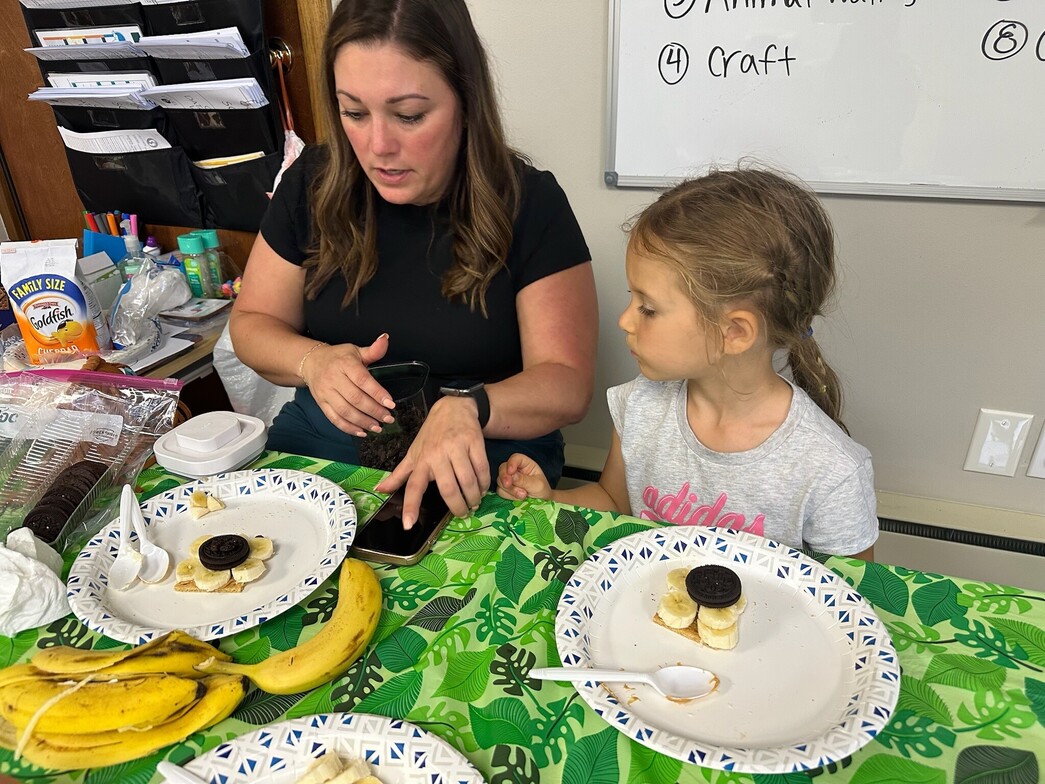
Invite Them Into the Kitchen
Children are much more likely to interact with foods they've helped prepare. Depending on their age, let them:
- rinse fruit
- tear lettuce
- stir ingredients
- spread peanut butter
- cut soft foods with a child-safe knife
Cooking creates sensory exposure without the expectation of eating.
Keep New Foods Small
Instead of placing a large serving of broccoli on their plate, try offering one tiny piece. A whole serving can feel overwhelming. One bite-sized piece feels manageable.
Pair New Foods With Safe Foods
Always include foods you know your child enjoys. This helps meals feel predictable while introducing gentle opportunities for exploration.
Think:
Chicken nuggets + one cucumber slice
Mac & cheese + one blueberry
Grilled cheese + one baby carrot
The goal isn't for your child to eat the new food. The goal is simply for it to exist without creating stress.
Avoid Becoming the "Food Police"
It's completely understandable to encourage "just one bite." But repeated pressure, even with the best intentions, can increase anxiety and make children less willing to try new foods.
Instead of saying:
"Just take one bite."
Try:
"You don't have to eat it today. You can look at it, smell it, or touch it if you'd like."
This gives children autonomy while still encouraging exploration. Consider giving your child a separate "no thank you" plate or bowl where they can choose to put food they do not want to eat without tears or the stress of having it next to their safe foods.
Talk About Food Without Judging It
Instead of asking:
"Do you like it?"
Try describing what you notice:
"It's crunchy."
"It's cold."
"It's orange."
"It smells sweet."
Talking about food objectively removes pressure and builds curiosity.
Be a Sensory Explorer
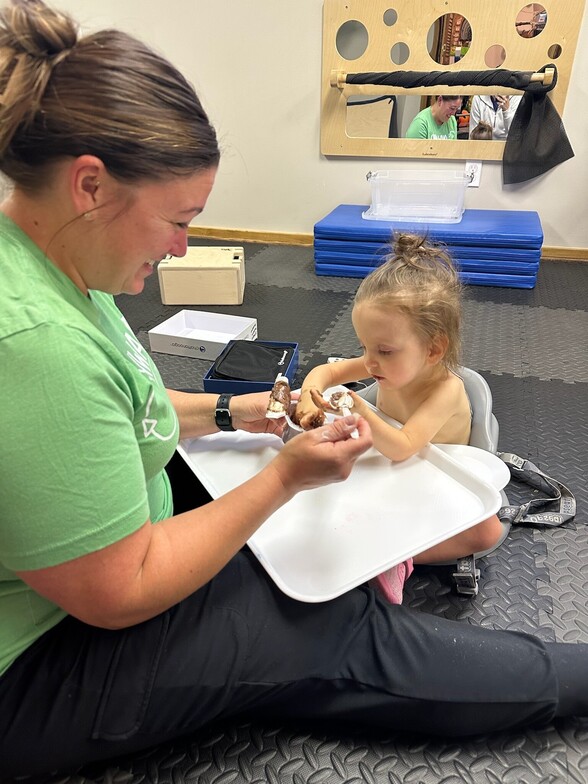
Moving through the feeding sensory hierarchy helps build strong, positive associations with foods. Be an explorer! Move through the following steps by modeling food exploration with your child.
- Tolerate a new food on the table and, eventually, the plate
- Interact with a new food by using utensils to pick it up and move it around
- Smell a new food
- Touch a new food
- Bring a new food to your lips to "kiss" it
- Lick a new food
- Take a bite
- Chew a new food, moving it around the mouth
- Swallow a new food
Celebrate Curiosity
Your child touched a strawberry? Celebrate!
They smelled broccoli? Celebrate!
They licked a carrot? Celebrate!
Progress in feeding isn't measured only by the number of bites eaten. Confidence grows one interaction at a time.
How Occupational Therapy Can Help
Occupational therapy looks beyond the plate.
We consider the whole child... how they process sensory information, coordinate oral motor movements, regulate their bodies, and participate in family mealtimes.
At Onward Pediatric Therapies, feeding therapy is individualized, play-based, and family-centered. We partner with parents to create realistic strategies that fit into everyday life, helping children build confidence around food while reducing stress at the table.
Whether your child is just beginning to show signs of picky eating or has struggled with feeding for years, meaningful progress starts with understanding why eating feels hard.
Because when we understand the "why," we can better support the "how."
Final Thoughts
There is no perfect eater. There is no magic number of bites. There is no one-size-fits-all approach.
Every child has their own feeding journey, and every small step matters.
If you're finding yourself dreading mealtimes or wondering whether your child's feeding challenges are more than a phase, know that you don't have to figure it out alone.
We're here to help your family move Onward. One bite, one interaction, and one small victory at a time.
Lara Pytlik
Contact Me